Industrial Heritage
Toutes les fiches « Industrial Heritage » (320)
Filters
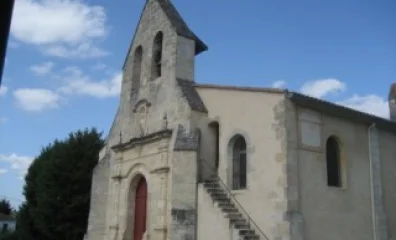
Eglise Saint-Hippolyte d'Arbanats
The church was built in the late 15th century and enlarged during the 16th century with side aisle. The Virgin chapel in 1662 and the frontage, in a classic style, dates from the …
View details →
Fontaine et lavoir de La Fontanette
The fountain has medieval origins. The tradition attributed a miraculous character due to several saints. The water may have been capt capt into a bay used as a washing place.
View details →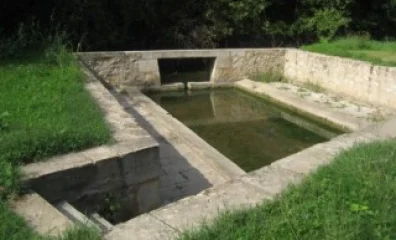
Lavoir du Pontet
Small open-air washhouse on a stream which is the outlet of the source of the washhouse of La Hontière. Recently renovated, the construction is below the road.
View details →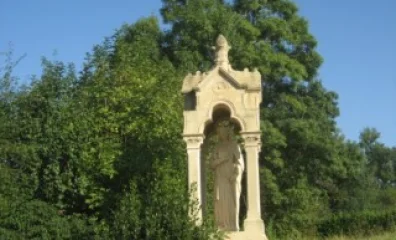
Statue Sainte Radegonde
The Sainte-Radegonde statue dates from the 19th century. Sainte-Radegonde married Chlothar I, became Deaconess and founded the Sainte-Croix abbey near Poitiers. This statue shows S…
View details →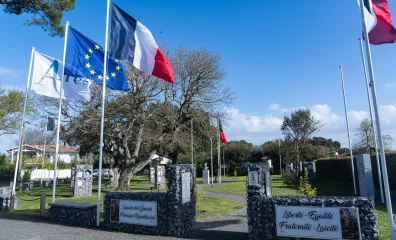
Square des grands principes républicains
The commune of Arès wanted to highlight the motto, but also the values that are dear to all of us, the values of the Republic: "Liberté, Egalité, Fraternité, Laïcité" (Liberty, Equ…
View details →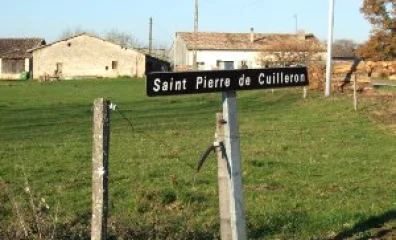
Vestiges de la chapelle Saint-Pierre de Guilleron
This church, of which only ruins remain, was until 1846 the seat of an archpriest. Several caves surround the site.
View details →Auge-Lavoir
Auge-Lavoir - Vers le XVIème et XVIIème siècle - Castillon limestone. One end of this tub is cut at an angle, forming a wash bench. Oxen and horses come here to drink, and the mist…
View details →Carrière du Ciron
Carrière du Ciron - 15th and 19th centuries - Castillon limestone. In the past, almost every house had a quarry. Gentleman's cottages, manor houses, castles, churches and abbeys of…
View details →Maison Chevalier
Maison Chevalier - 19th & 20th century - Asteriated limestone. In the Middle Ages, an outpost, or ford, was set up on a site. The knight's mission was to warn the neighboring castl…
View details →Maison rurale dite Coucoute
Despite changes to the location of openings, this 16th or 17th century coucoute, or rural house, has retained the original appearance of its façade. Only partly rebuilt on the side…
View details →Pont de Perricot
Bridge - 14th or 15th century and 1854 - Limestone Contrary to popular belief, the Romanesque origin of this bridge is unlikely. At the time, lords crossed small streams on horseba…
View details →Épi de faîtage
Finial finial - 18th or 19th century - Glazed ceramic. This glazed ceramic is a finial cover. It is made of wood, and is an extension of the frame's spike, crossing the roof. Befor…
View details →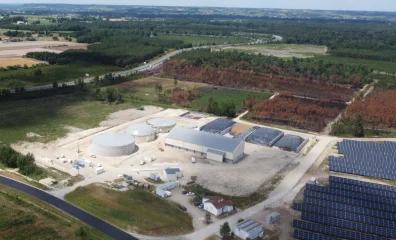
Agrienergie
The aim of this company is to "Produce green gas from manure & agricultural biowaste". It's a sustainable development company, which transforms CIVE (Culture Intermédiaire à Vocati…
View details →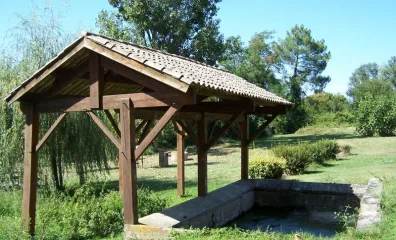
Lavoir de Monco
Monco means "hot mountain" because the place is oriented to the south. The spring is abundant and provides water all year round. It fed one of the main wash houses of the village, …
View details →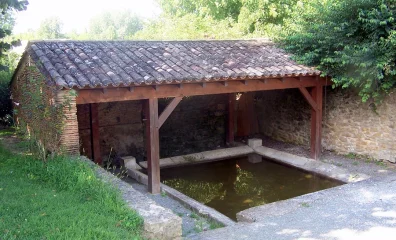
Lavoir
The commune of Bagas, crossed by the Dropt and the Marquelot, is equipped with two washhouses supplied by two sources with a large flow. Beyond its primary function as a place wher…
View details →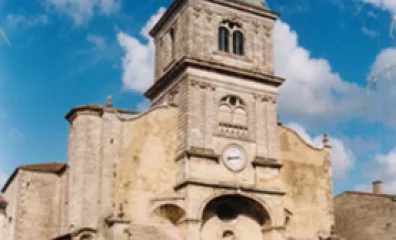
Eglise Saint-Vincent de Barsac
A first church was erected in Barsac during the 11th century. It was rebuilt during the 15th century and the architect Etienne Baudoyn added a chapel in 1536. The parish became mor…
View details →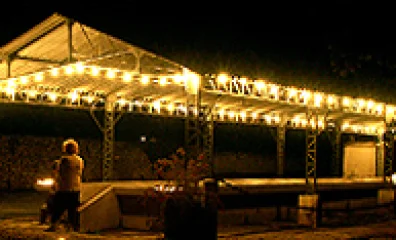
Lavoir des Quinconces à Barsac
This washhouse, consisting of two bins, is still in operation; it is filled twice a week (Monday and Thursday) and a few people still use it. They wash their clothes standing up. T…
View details →
Pigeonnier du Château de Rolland
Discover the heritage of the 15th century dovecote, and come and share with us the history of the Château de Rolland. You will learn about the reasons why the de Rolland family has…
View details →
Moulin de Piis
Fortified flour mill, probably built in the 13th century. The mill ceased its activity in the 1930s. The dwelling, occupied by tenant farmers, is abandoned a decade later. The mill…
View details →
Un village en Gironde : Beautiran
"Un Village en Gironde" offers audio-guided tours of villages in the Gironde department, 7 days a week, in French and English. Using your smartphone and headphones, you can follow …
View details →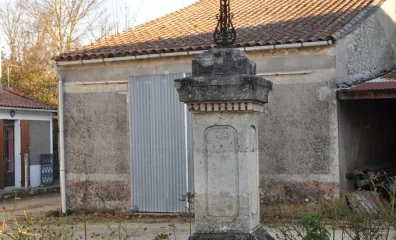
Croix et calvaires de Bégadan
There are 2 calvaries in the commune of Bégadan: - Calvary of Canissac road of Goulée - Calvary La Tour de By road to By harbour There are 14 crosses in the commune of Bégadan : -…
View details →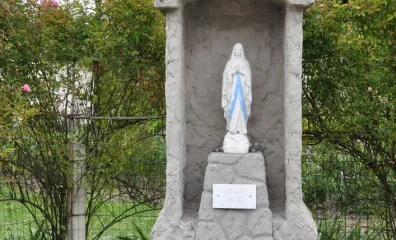
Tour de Plagnac
This octagonal tower, located in the castle's inner courtyard, houses a well and a pump. It was once thought to have served as a cistern.
View details →
Eglise paroissiale Saint-Saturnin
This church was renovated between 1864 and 1868 by the entrepreneurGilles Livran, based on the plans of the architect Hosteing and decorated by the sculptor Dumirail. There was a p…
View details →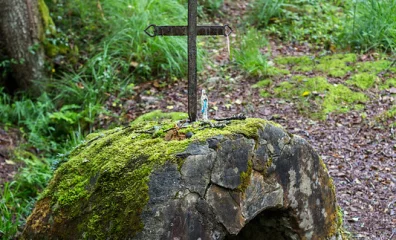
Fontaine Saint-Clair
The water from La Fontaine Saint-Clair, near the church of Saint-Pierre de Mons, is known to cure eye diseases.
View details →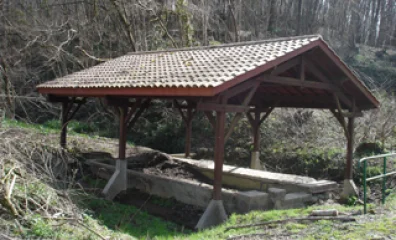
Lavoir de Bieujac
The wash-house was an important place of sociability in small towns until the 20th century. To do the laundry, the linen is first boiled in cauldrons before being brought in basket…
View details →Moulin de Repassat
This mill belonged to the monks of the Rivet Abbey, located in a commune not far from Bieujac. The monks made flour for their bread. This water mill ceased to operate in April 1969…
View details →Statue Notre Dame de Lourdes
This statue is located 500 meters from the center of the village, just across the main street. It is built on a high stone pedestal that allows it to be seen from afar. The Virgin …
View details →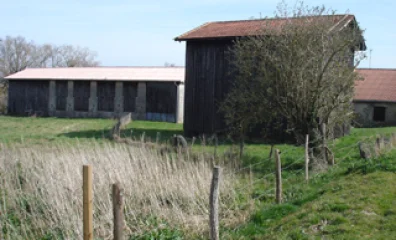
Séchoirs à Tabac
Across the South Gironde, you will discover these imposing, tall, long and dark-coloured buildings. They are as many vestiges of a culture implanted on these lands since the end of…
View details →
Chapelle Notre-Dame de Bijoux à Birac
At the eastern end of the commune, the Notre-Dame-de-Bijoux chapel, built at the end of the 15th century, underwent successive modifications and was completed in 1873. It houses a …
View details →
Croix de Prignac-en-Médoc
The 8 crosses of Prignac-en-Médoc are located - rue du Moulin - bense road - rue des Fontaines - cross street - freedom Street - town centre - Lieu-dit Lafon - Lieu-dit Gaultheys
View details →Croix et calvaires de Blaignan
Cross from the church in the village of Caussan. Cross near the Château Pontet. Wooden cross in the village of Caussan. Calvary of Romefort.
View details →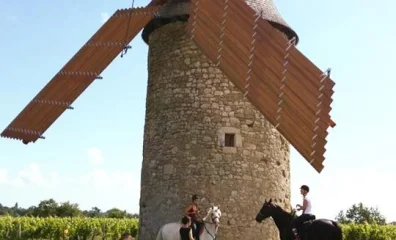
Moulin à vent de Courrian
Set amidst the vineyards, the Courrian windmill (also known as the Blaignan or Caussan windmill), owned by Château la Tour Haut Caussan, is a Berton wing mill. Restored in 1981, it…
View details →Pigeonniers de Blaignan
17th century dovecote in the village of Caussan. Dovecote from the 18th century in the village of Caussan. Dovecote of Château Pontet. Dovecote from the 15th century in the village…
View details →Pigeonniers de Prignac-en-Médoc
There are 2 dovecotes in the commune of Prignac-en-Médoc - rue de la liberté - Château la Tour Prignac - Tatuillère.
View details →Puits de Prignac-en-Médoc
There are 3 wells in Prignac-en-Médoc : - rue du 14 juillet - lafon locality - rue de la Croix.
View details →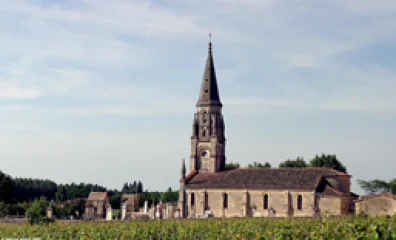
Eglise Saint-Martin de Bommes
The original church was rebuilt in 1840 because it was considered dangerous. The bell tower was rebuilt under Napoleon III, after a donation from the Viscount of Pontac. As a token…
View details →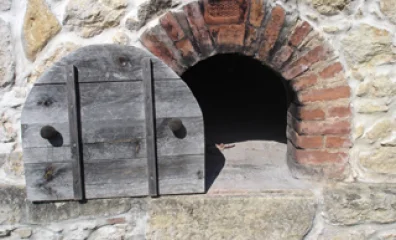
Four à pain de Bommes
Late 19th century. The main structure of the oven is made of stone and the vault of brick, according to the traditional rural bread oven (end of the 19th century).
View details →
Lavoir de Bommes
The wash-house of Bommes is located at the edge of the Ciron, very close to the church. Until the arrival of running water, the women of the village used to come here to wash their…
View details →
Eglise Saint Saturnin de la Libarde
Situated one kilometre north of the village of Bourg in the locality of La Libarde (which was a parish until the Revolution and is now part of the commune of Bourg), the old church…
View details →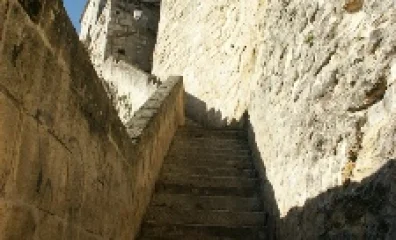
Escaliers du Roy
This staircase, known as the "royal staircase", owes its fame to a famous legend dating back to 1650, featuring the young King Louis XIV, a fruit tree and a monk. Indeed, the young…
View details →
Fontaine
This fountain, discreetly nestled at the foot of the cliff, dates back to Roman times and supplies the village?s covered washhouse and swimming pool. In the memory of Bourquais, it…
View details →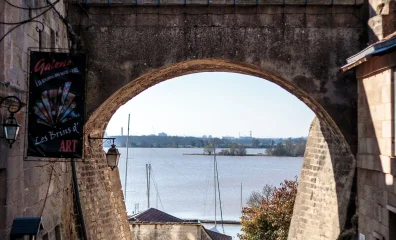
Gouttinière
Originally, there was only a small opening at the top of a rampart wall for the sewage to run down the wall towards the port. In 1849, when a sewage evacuation system was put in pl…
View details →
Halle de Bourg
The hall's origins date back to the 13th century, when the town was enlarged. The first hall was built of stone and wood. The present hall was built in 1867. Supported by 14 cast-i…
View details →
Lavoir couvert
Built in 1828 of Bourgeais stone, this pretty covered washhouse features two large basins: one for washing and one for rinsing. The washerwomen conversed so much here that the wash…
View details →
Pigeonnier
Built in the 18th century, it replaces a watchtower. Circular in shape, it is fitted with small huts over its entire height, enabling it to house a large number of pigeons. Whitewa…
View details →
Porte Esconge
Part of the ramparts, it dates back to the Middle Ages and marked the end of the town. In the 18th century, a larger opening to the park was created.
View details →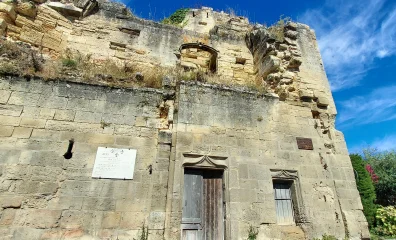
Porte de Blaye
Dating from the 13th century, it bears witness to Bourg's fortified enclosure. Destroyed in 1839, all that remains today is a round tower and part of the access corridor.
View details →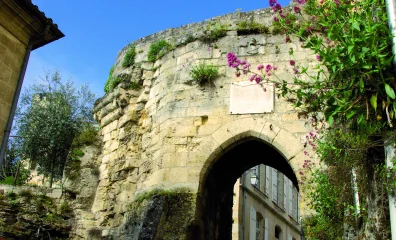
Porte de la Mer
The Porte de la Mer (Sea Gate) is a remaining gateway to the fortified city wall. Its façade features a coat of arms carved in stone during the Hundred Years' War: 2 bold roosters …
View details →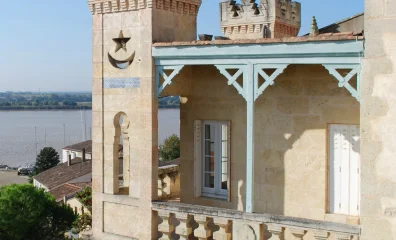
Villa Mauresque
This Moorish-style villa was built in the early 20th century by a colonial civil servant who had worked in North Africa. On his return, he decided to build the front of his house i…
View details →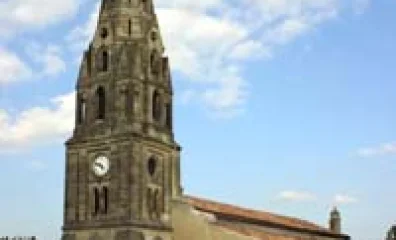
Eglise Saint-Romain de Budos
The church was built in the centre of the village, which is located on a spur overhanging the Garonne River and the Ciron river valleys. This church is the oldest building of the t…
View details →
Lavoir de Cabanac-et-Villagrains
A wash house, located in the village of Cabanac et Villagrains, next to the church, is supplied with drinking water.
View details →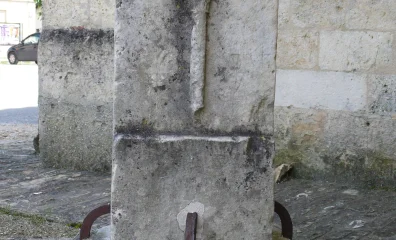
Borne de Saint Jacques
On the left, in front of the church of Cadaujac, is a milestone on the Way of Saint James of Compostela. The north face on the river side carries the traditional scallops of Saint …
View details →Fontaine de Joye
The Fountain of Joye, known and revered since Celtic times, had a reputation for healing the eyes. It was christianized under the name of Saint Hilaire and was the object of ferven…
View details →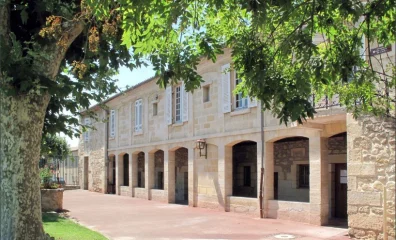
Cellules des pèlerins
The enclosure of the hospital contains cells (with bed, dinner and breakfast) dedicated to the pilgrims of Santiago de Compestella.
View details →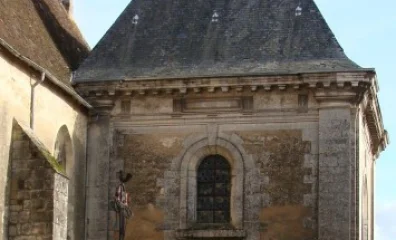
Chapelle funéraire des Ducs d'Epernon
The chapel was ordered to Pierre Biard in 1597, one of the best architect and sculptor at this time, by the Duke of Epernon in order to shelter the grave of his spouse, Marguerite,…
View details →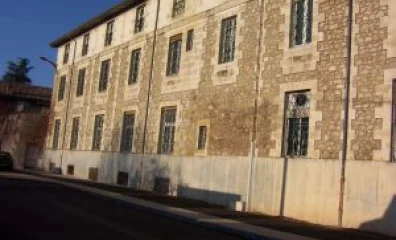
Hôpital Sainte-Marguerite
The hospital was founded during the Middle Ages. A convent, a graveyard and a dwelling formed the new hospital, named Sainte-Marguerite. It was erected by bricklayers : Louis Coute…
View details →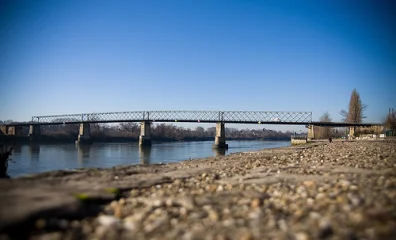
Pont de Cadillac
This Eiffel style bridge, built between 1875 and 1880 on the previous shelf, is a tubular metal bridge, a kind of cross-brace cage of 5 meters wide where the traffic is. There was…
View details →Calvaire
Calvary - 1890 - Stone. This calvary, located at the entrance to the village on the Route du Tertre, consists of a Latin drawn cross placed on a canopy forming a pedestal.
View details →Évier ancien
Antique sink - Middle Ages. This ancient sink was originally used to evacuate wastewater to the outside. It is located on the facade of one of the oldest houses in the village, in …
View details →